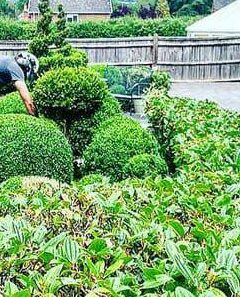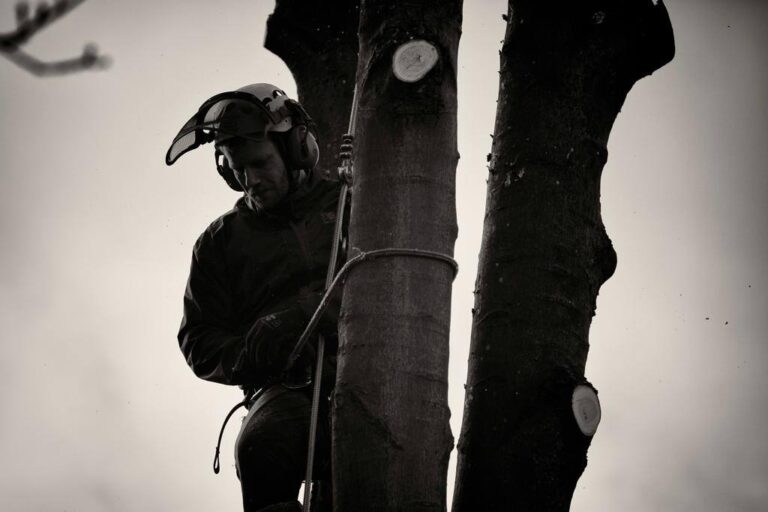
A well-maintained hedge can provide privacy, define garden boundaries and create an attractive backdrop for planting. However, hedges are living features that respond continuously to seasonal growth, changing weather and surrounding conditions. Without suitable care, they can become overgrown, uneven or difficult to manage.
Regular light trimming may help maintain an established shape, but some problems require more considered attention. Professional hedge cutting assesses the plant’s species, condition and growth pattern before deciding how much material to remove.
How to Tell When Your Hedge Needs Professional Care
Recognising the early signs of poor condition or uncontrolled growth makes it easier to restore a hedge without placing it under unnecessary stress. The following five signs suggest that professional attention may be beneficial.
1. The Hedge Has Become Too Wide or Too Tall
A hedge may gradually extend beyond its intended space, narrowing paths, covering planting areas or making parts of the garden harder to use. Excessive height can also make routine maintenance difficult and allow the top to become uneven.
Reducing a large hedge requires more than simply cutting it back as far as possible. Removing too much growth at once can expose sparse internal sections or leave some species unable to recover evenly. A professional can assess which areas should be reduced and whether the work is best completed in one visit or through gradual reshaping.
Signs that size has become a problem include:
- Branches obstructing paths, gates or driveways
- Growth pressing against fences or garden structures
- The hedge casting more shade than intended
- An upper section that can no longer be maintained safely
- A significant loss of usable garden space
Planned reduction can bring the hedge back under control while preserving a natural and balanced appearance.
2. Its Shape Has Become Uneven
Uneven growth can make an otherwise healthy hedge look untidy. One section may grow more strongly because it receives more light, while nearby plants, buildings or trees may restrict growth elsewhere.
Repeatedly trimming only the most noticeable shoots can exaggerate the imbalance. Professional reshaping considers the hedge as a complete structure. The aim is to create suitable proportions while allowing weaker areas an opportunity to develop.
A skilled approach can improve the hedge’s outline, remove disruptive growth and establish a shape that is easier to maintain in the future. Depending on its condition, improvement may be immediate or may require ongoing care over several growing seasons.
3. The Hedge Is Dense Outside but Sparse Within
A hedge can appear full from the outside while containing bare, shaded or congested growth internally. This often happens when only the outermost shoots are trimmed repeatedly, preventing light and air from reaching deeper into the plant.
Excessive density may contribute to:
- Weak internal growth
- Dead or crossing branches
- An untidy accumulation of debris
- Poor airflow through the hedge
- Increased competition between stems
Selective thinning or careful pruning may improve the internal structure. This is different from cutting the entire hedge severely. The work should be tailored to the species and condition so that healthy foliage is retained in the right places.
4. There Are Dead, Damaged or Diseased Sections
Brown foliage, brittle branches and sections that fail to produce new growth can indicate that part of the hedge is struggling. Damage may result from age, weather exposure, overcrowding, unsuitable previous cutting or poor growing conditions.
A few discoloured leaves do not necessarily signal a serious problem, but larger or spreading areas should be investigated. Simply trimming the visible damage may not address its cause.
Professional attention can establish whether affected growth should be removed and whether changes to the hedge’s maintenance would support healthier development. Early assessment may also prevent weak branches from breaking or damaged sections from affecting the hedge’s overall appearance.
5. Regular Trimming No Longer Produces a Good Result
Routine trimming should help a hedge retain a defined and tidy form. If it looks overgrown again soon afterwards, remains uneven or becomes increasingly woody, its maintenance requirements may have changed.
This can happen when:
- The hedge has outgrown its original shape
- Previous cuts have encouraged dense surface growth
- Different plants within the hedge grow at different rates
- The base has become wider or narrower than is practical
- Mature stems require selective pruning rather than surface trimming
A professional assessment can determine whether the hedge needs reshaping, reduction, thinning or a revised maintenance schedule. Correcting the structure first often makes future trimming more effective.
Why Professional Hedge Cutting Makes a Difference
Effective hedge care involves understanding how the plant is likely to respond after cutting. Different hedge species tolerate different levels of reduction, and the position of each cut can influence future growth.
Professional work focuses on achieving a suitable size and form without removing unnecessary healthy material. It can also address difficult-to-reach sections and ensure that the finished profile complements the surrounding garden.
For properties in Waterlooville, Hampshire, scheduled hedge maintenance can prevent vigorous growth from becoming a larger problem. The appropriate frequency will depend on the hedge’s species, age, location and desired appearance.
Conclusion
A hedge would benefit from professional attention when it has become oversized, uneven, excessively dense, damaged or unresponsive to routine trimming. These signs often indicate that the hedge needs more than a quick surface cut.
Careful assessment and properly planned work can restore a manageable shape, improve the hedge’s condition and support healthier future growth. The Tree Surgeon Waterlooville provides professional hedge cutting and maintenance in Waterlooville, Hampshire. If your hedge is becoming difficult to manage, contact the team to arrange an assessment.
Call us on: 023 9200 1796
Click here to find out more about The Tree Surgeon Waterlooville
Click here to complete our contact form and see how we can help with your tree needs.